
Heathcliff!
What are the wild winds saying?

I have just had a weird experience.
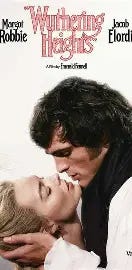
I have emerged from a cinema, having watched Wuthering Heights, and I am completely dry-eyed. Nor have I felt even the faintest erotic stirrings, even though, old as I am, I normally do find myself fancying the heroines of enjoyable films. Emerald Fennell tells us, with the opening credits, that this is only a version ‘based on Wuthering Heights by Emily Bronte’. So, is my dry-eyed reaction my fault, Emerald’s fault, or Emily Bronte’s fault? Have I reached an age which I never thought to attain - the age when you are just too old for a Bronte tear-jerker? How far has the director ‘based’ her picture on a favourite old novel which we all know by heart, and how far has she totally misunderstood why, nearly two hundred years after it was written , we still can’t completely stop reading it
?
Every time I read Wuthering Heights, the feelings I had when I first read it, aged twelve, come back to me. At the time, I was troubled to be so deeply absorbed in what was obviously… well, when a boy at my school saw me reading it, rather than an adventure by G.A.Henty, he had asked, disgustedly, ‘Isn’t that a girls’ book?’
Now, of course, decades later, I kid myself that my reactions are more sophisticated: is this novel just an early example of Chick-Lit ? Or a supreme masterpiece of Romanticism?
But each time, there are these two things going on. The first, is my thinking that it is the sort of absolute tosh which a serious-minded reader should not be reading; and the second phenomenon is that I can’t stop reading the bally thing until I have finished. Also, very annoyingly, I find it makes me blub in all the right places, none more so - SPOILER ALERT EVERYONE - when we go down to the little chapel graveyard and find Heathcliff’s grave.
Some years after I’d finished it for the first time, and gone for a weepy walk on the Malvern Hills, wishing the weather would Wuther a bit more and blow my wispy hair in the howling storm, and wondering what it was which was so good about the book, and thinking that my feelings about the Art Mistress at my private school rather closely resembled Heathcliff’s for Cathy, when I saw some of the TV and film versions. And then I thought I’d solved my own questions. It had never been a novel at all. That is why it is so powerful .It had always been a ‘treatment’ awaiting its transformation into a film script.
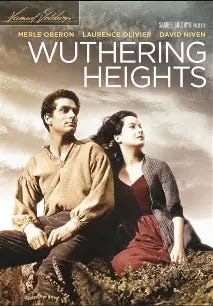
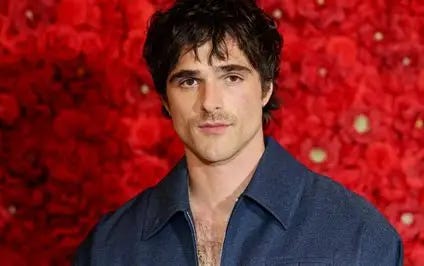
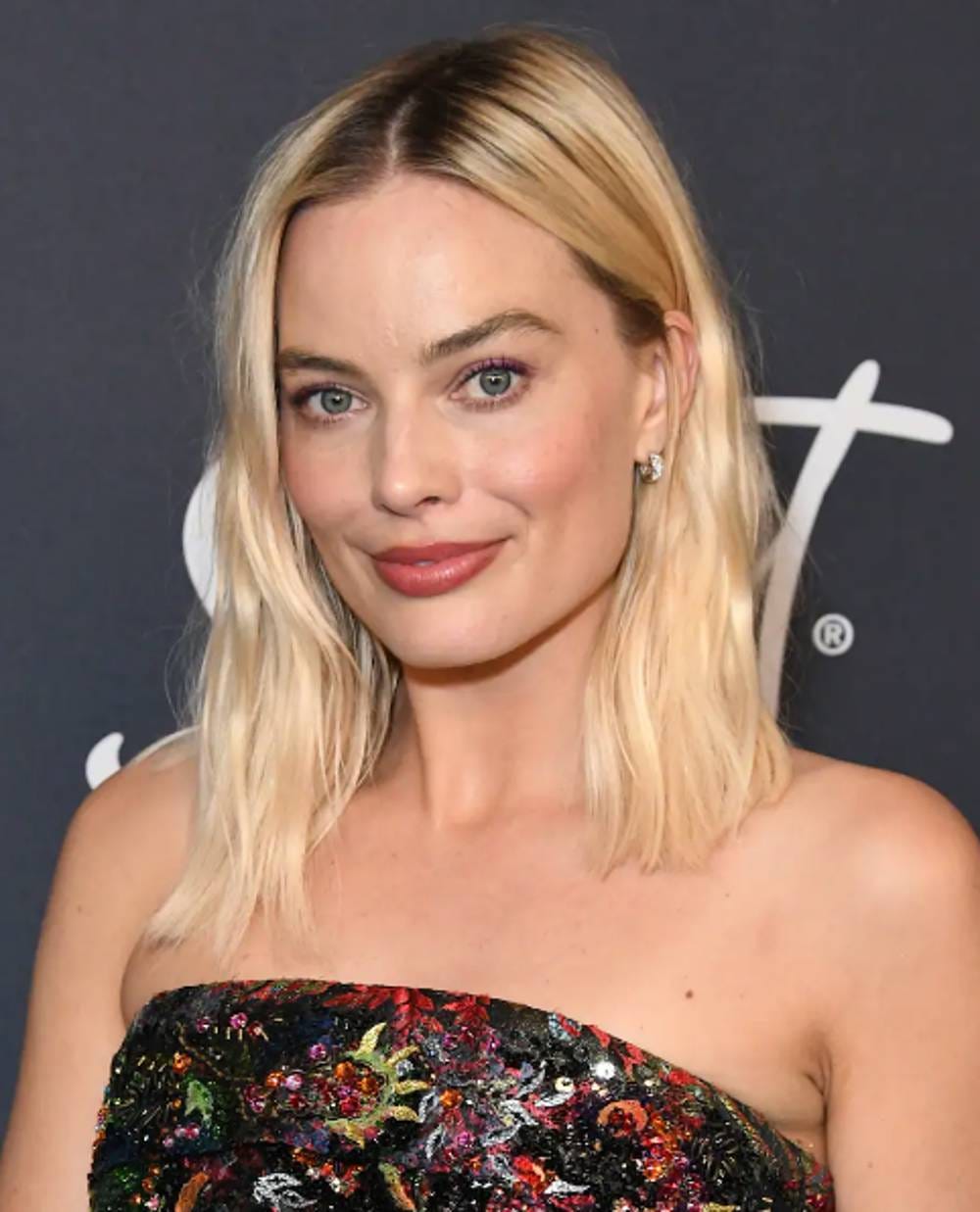
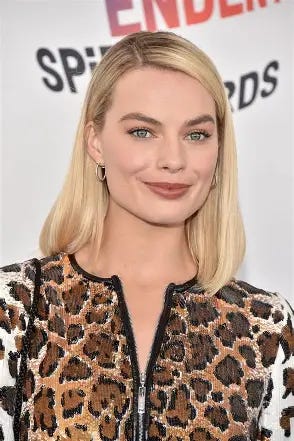
I think this is half true. So, it makes me all the more puzzled that Emerald Fennell, writer and director of the newest Wuthering Heights, has chosen to adapt the novel in this particular way. Before the credits, we had the 15 Years or older warning, and the inviting prospect of lots of sex. It placed me immediately on my guard, since what Emerald Fennell means by lots of sex, and what Emily Bronte meant is, I suspect very very different. And I know that, if there is a division over this matter, I’m going to be siding with the wild and passionate vicar’s daughter from Yorkshire. And the 15-year old warning is in this case the wrong way round. Maybe you need to be OVER 15 to watch Margot Robbie writhing around with a really dull fellow called Jacob Elordi - sadly, Heathcliff he is NOT, Byronic gypsy he is not, interesting he is not…but, more importantly, you need to be (mentally at least ) UNDER 15 to be in Emily Bronte’s emotional wavelength.
The novel, of course, like adolescent life itself in its early to mid-stages (under 15) is dripping with sexual thoughts and feelings, but nothing explicitly happens, (ditto) and the two lovers, Cathy and Heathcliff are trapped in a quasi-incestuous (we have to assume that Heathcliff is a by-blow of Cathy’s father Mr Earnshaw, and that is why he is brought back to the Heights from Liverpool) passion from which everyone else is excluded.
Oddly enough, the scene in the Fennell film which, for me, came closest to the spirit not only of Emily, but of all the Bronte sisters, was when Margot Robbie goes out of the house on to the moor, in order to masturbate behind a rock. Wuthering Heights, like all the novels which imitate it, is a form of what Byron - explaining why he did not really appreciate Keats, called the ‘onanism of poetry’ , ‘ a sort of mental masturbation’.
I am sure that Margot Robbie is a nice Australian young woman, who , since starring in Neighbours, has deserved all her success. But she is not my idea of Cathy Earnshaw, who is all passion, a passion which is tied up with her relationship with the little foundling, ‘Heathcliff’ that Mr Earnshaw brought back from Liverpool. Cathy and Heathcliff in this film are so clean! They have both just emerged from the shower in a luxury hotel. The children in this film, acting Heathcliff and Cathy’s early selves, seemed to get the relationship between the pair by instinct and they were brilliant.
But the grown-ups… Well, they were not as interesting as the grown-ups in the book.
Emerald Fennell has made Cathy Earnshaw into ‘posh totty’, and Heathcliff into ‘rough trade’. Fair enough if that’s what you like, but in that case, make Heathcliff a bit rougher. Think Ted Hughes, Emerald! This Jacob Elordi is like some shy undergraduate at a northern University, struggling with an essay on Seamus Heaney. And maybe the Australian actor playing Cathy could not be persuaded to talk Yorkshire. But in the book, where Cathy uses expressions like, ‘Give over’, it is apparent that she did not speak with a southern, snooty voice.
It’s funny that Cathy Earnshaw in this version started out in Neighbours, since NEIGHBOURS would be a good alternative title for the novel. Up the hill, over the moor, the Earnshaws pursue they ghastly, violent, hate-filled lives, and in Thrushcross Grange, a few miles down the hill, everyone is conducting themselves with the decorum of characters in Jane Austen. Cathy, of course, marries Edgar Linton, and becomes the mistress of Thrushcross, and is everlastingly full of regret, because she is so anxious to get away from her ghastly, bullying brother, Hindley - a character who has been cut out of this film. In the book, old Mr Earnshaw does at an early stage, but here, played by Martin Clunes, he goes on forever, until he drops dead of drink, and Cathy comes up to the Heights, dressed absurdly in a shimmering red dress, to kick her father’s corpse. Heathcliff marries Edgar’s sister Isabella, - in the Bronte version, a meek little Austen girl, and in the Fennell onanistic version, a devotee of S and M, whose purse seems limitless, because she likes spending thousands on the most expensive dresses in Europe to clothe her sister-in-law, and to increase her own aching jealousy.
For, in this version, Cathy and Heathcliff are rutting , all over the place, for about half the rather long two hours of the film’s duration. Every time they do it, some of the the authentic Bronte passion, the aching , everlastingly adolescent, emotional frustration which is the book’s oxygen, is lost.
It’s taken me all these decades to work out why the book works so powerfully. And this fact must have been obvious to beadier readers than I am, from the first. It was while I sat in the cinema, thinking Nellie Dean is being played as well as possible by Hong Chau, that I realised that she is just wrong - not because
