
The Dream
'Yet my chief humour is for a tyrant'.

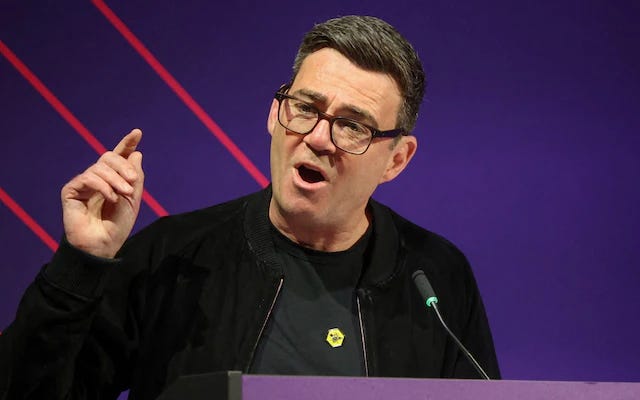
As we approach Midsummer, it is the time for re-reading A Midsummer Night’s Dream, and also for taking the risk of attending some performances. Some might wonder how I can tear myself away from England while it , and the People’s Party, are in the grips of the tragi-farce of a Leadership Crisis, led by the ‘King in the North’. It strikes me that Andy Burnham IS Bottom the Weaver. Any opinion suggested by his admirers, and any role which could be played by a member of the absurd troupeof incompetents is one which he thinks he can do better than any of ‘em . Mayor of Manchester? PM? Personal Saviour? ‘If I do it, let the audience look to their eyes’. He is, or appears to be, genuinely amiable, like Bottom, but utterly unaware of his own absurdity - like Bottom. And boundlessly conceited, like Bottom.
But I am in a land which has never heard of Andy Burnham, still less of Markerfield. I am in America, visiting my firstborn, Emily. And she has taken me, on my first night in Philadelphia, to the end of year show at the conservatoire, Curtis Institute of Music. It is a superb training ground of dancers, singers and musicians, and this year they are staging Britten’s A Midsummer Night’s Dream. Bliss.
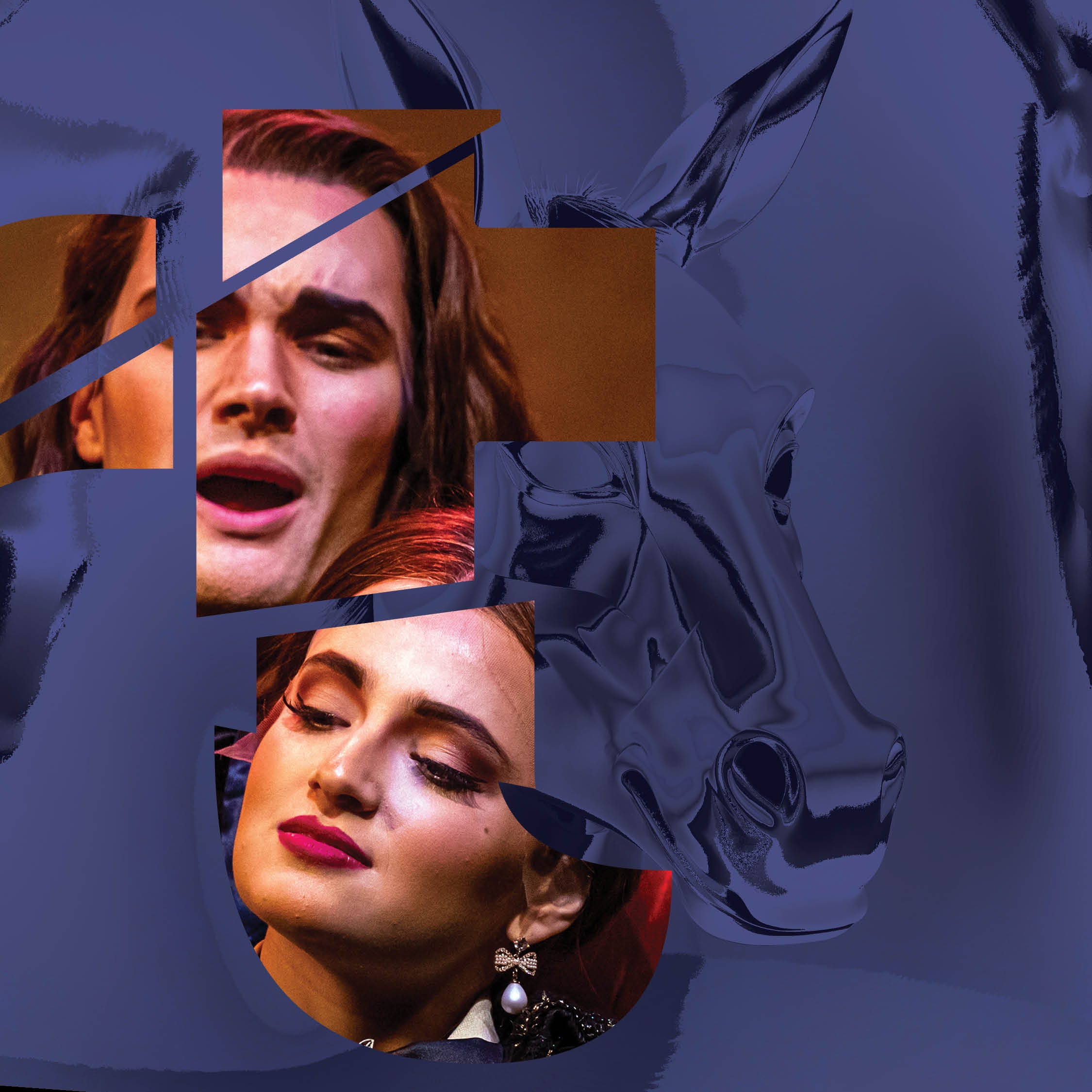
Bottoms spoil the play when they are too aware that they are funny . The poignancy and comedy of Bottom the Weaver is that he is deadly serious, trying to persuade Quince the carpenter to let him take all the roles in ‘The Most Lamentable Comedy , and most cruel death odf Pyramus and Thisbe’. This Bottom , played by Yulin Yan, was, like the Puck, perfect. He looked like a working man, with the combination of innocence and arrogance which Bottom has in the play.
A Midsummer Night’s Dream is also easily spoilt by Puck, and by Bottom. An unsuccessful Puck is too aware of the character’s camp mischief, his cruelty, and, in many productions of the play which I have seen, he is often too much of an acrobat, which can be distracting. Puck is a thing of air, of humour, of spirit. This one, played by Israeli Maya Mor-Mitrani, was simply perfect. Lovely voice, gentle movements, and - a sprite!
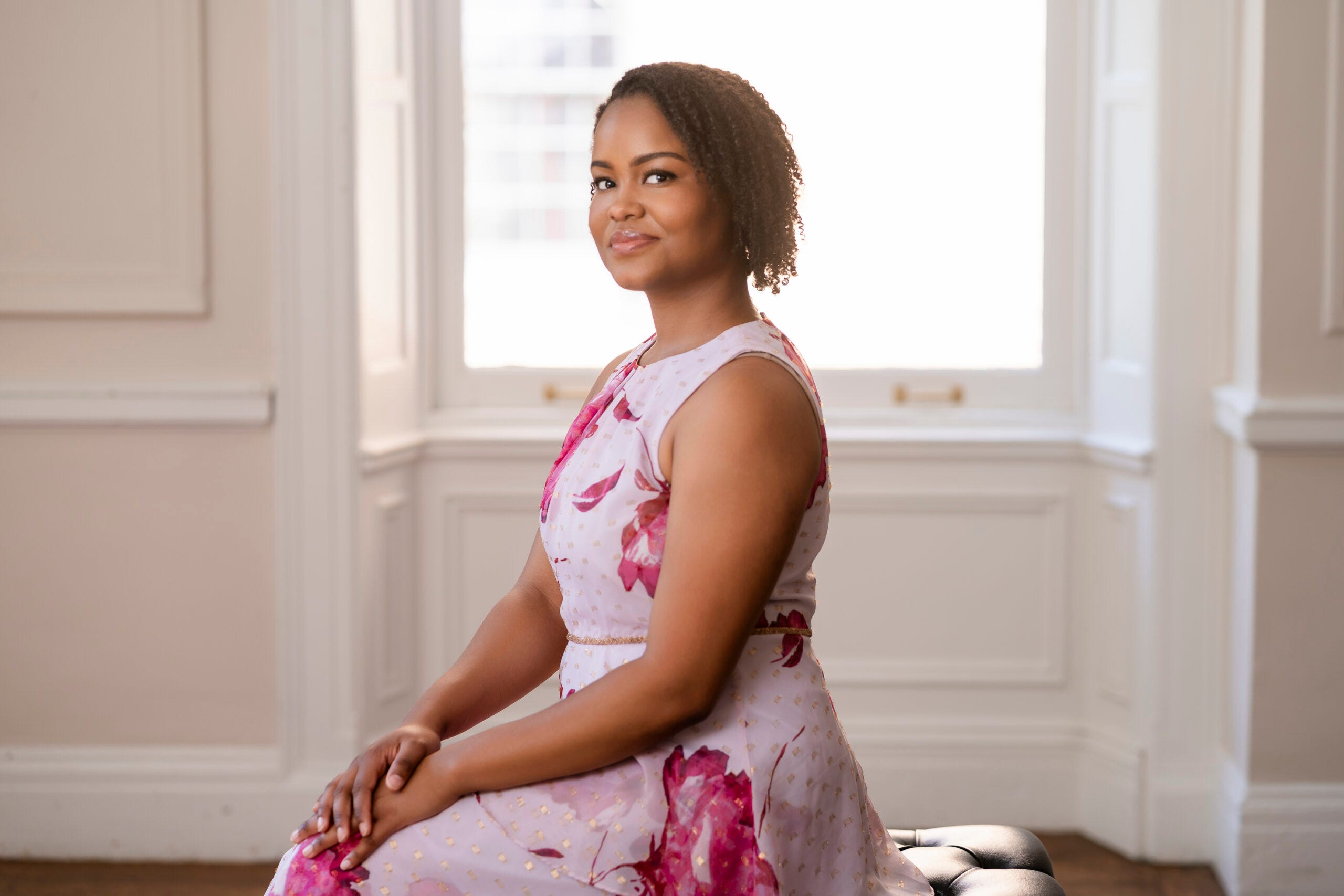
Britten and Peter Pears did not rely on a librettist for this opera. They sliced up Shakespeare’s play themselves, and the result never fails to impress. It is particularly clever that they save the opening words - ‘Now, fair Hippolyta, our nuptial hour/Draws on apace’…for the beginning of the last act. Britten’s opera takes us straight into the wood, to the fairies, and to the four star-crossded lovers. Tytania, played by Jeysia Rosairio Santos, from Puerto Rica, is absolutely superb. She has already made a stir, and won many awards, I think we shall be hearing a lot of her in the future.
I suppose all good libretti have been written by someone who knows how to pare down a story to a few essential details. The most supreme example is the way in which Wagner takes the many-stranded medieval traditions about Tristan and Isolde and makes their drama out of simply three key moments. But Britten has some of the same gift, and there are many ways in which we get the most out of Shakespeare’s play when we see it in his version. And the music is simply wonderful.
Emily and emerge into the Philadelphia street slightly dazed. Bottom bless thee, thou art translated. It takes a while to return to the real world, as we rattle back to West Philly on the trolley, and have dinner in her favourite Vietnamese restaurant, buried in Shakespearean talk.
The music is indeed magnificent and the librettist shows real promise. As much as I love Britten, however, and as much as I appreciate that he wrote the part of Oberon for the great Alfred Deller, I have never been able to get past Oberon being presented as a countertenor when any fool knows he’s a bass-baritone.